.jpg&w=3840&q=75)
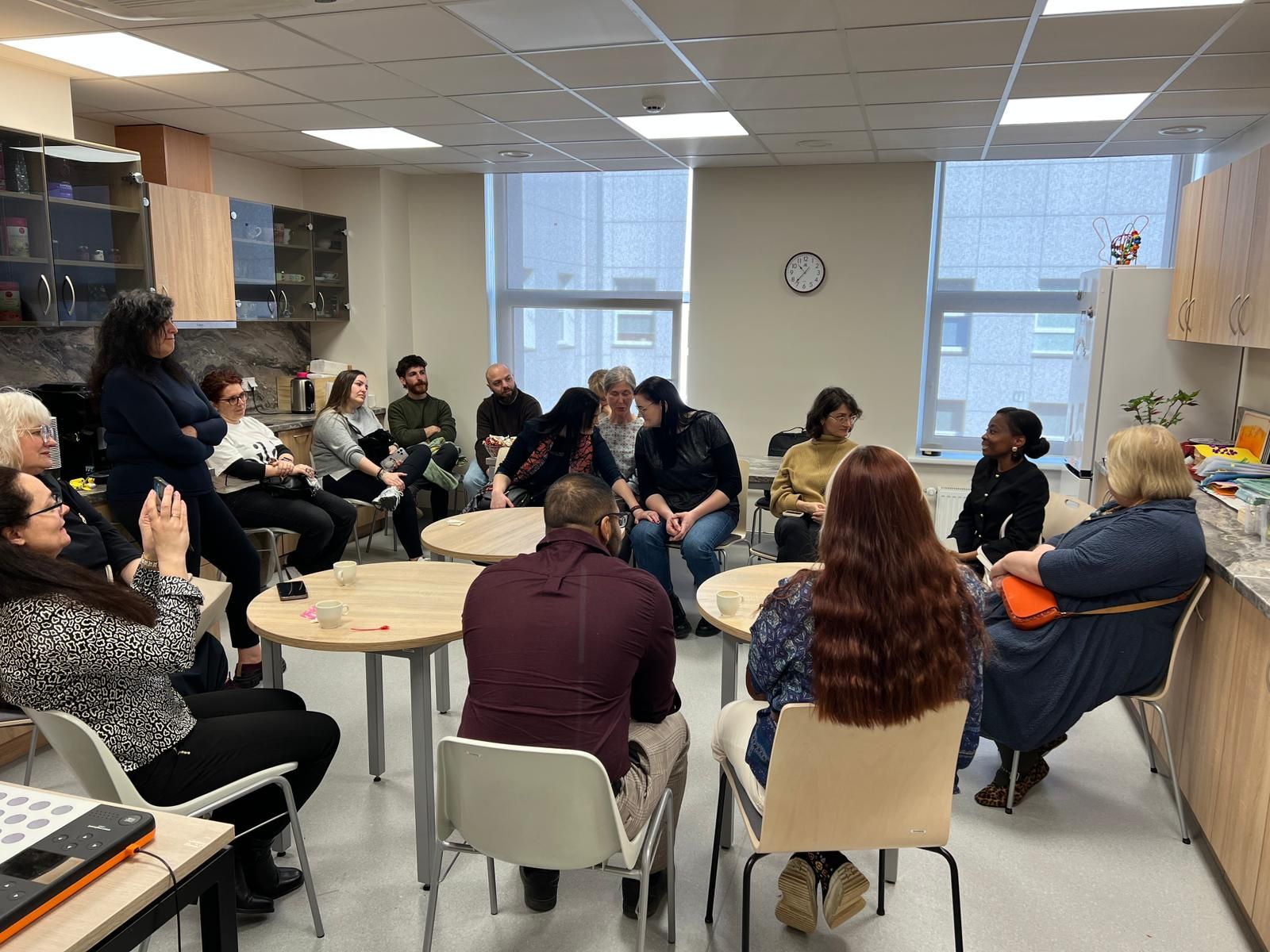
The International Forum on Active Ageing, hosted in Kaunas as part of the European project “Active Ageing in the Digital Era”, represented an important moment of exchange, learning and strengthened cooperation among professionals from different European contexts. The event, coordinated by the Lithuanian partner EPIONE in collaboration with the Geriatric Clinic of Kaunas, brought together around twenty healthcare workers, care professionals and digital specialists, all directly involved, in different ways, with the project’s target group: people aged 65 and over.
Participants included healthcare assistants, geriatric doctors, university medical students, owners and managers of elderly care facilities, nurses, physiotherapists and digital professionals specialised in designing accessible experiences for people over 65. This wide range of expertise made the forum especially valuable: the dialogue between those who work daily in care, those who study ageing from a medical perspective and those who design digital tools made it possible to explore active ageing from complementary points of view.
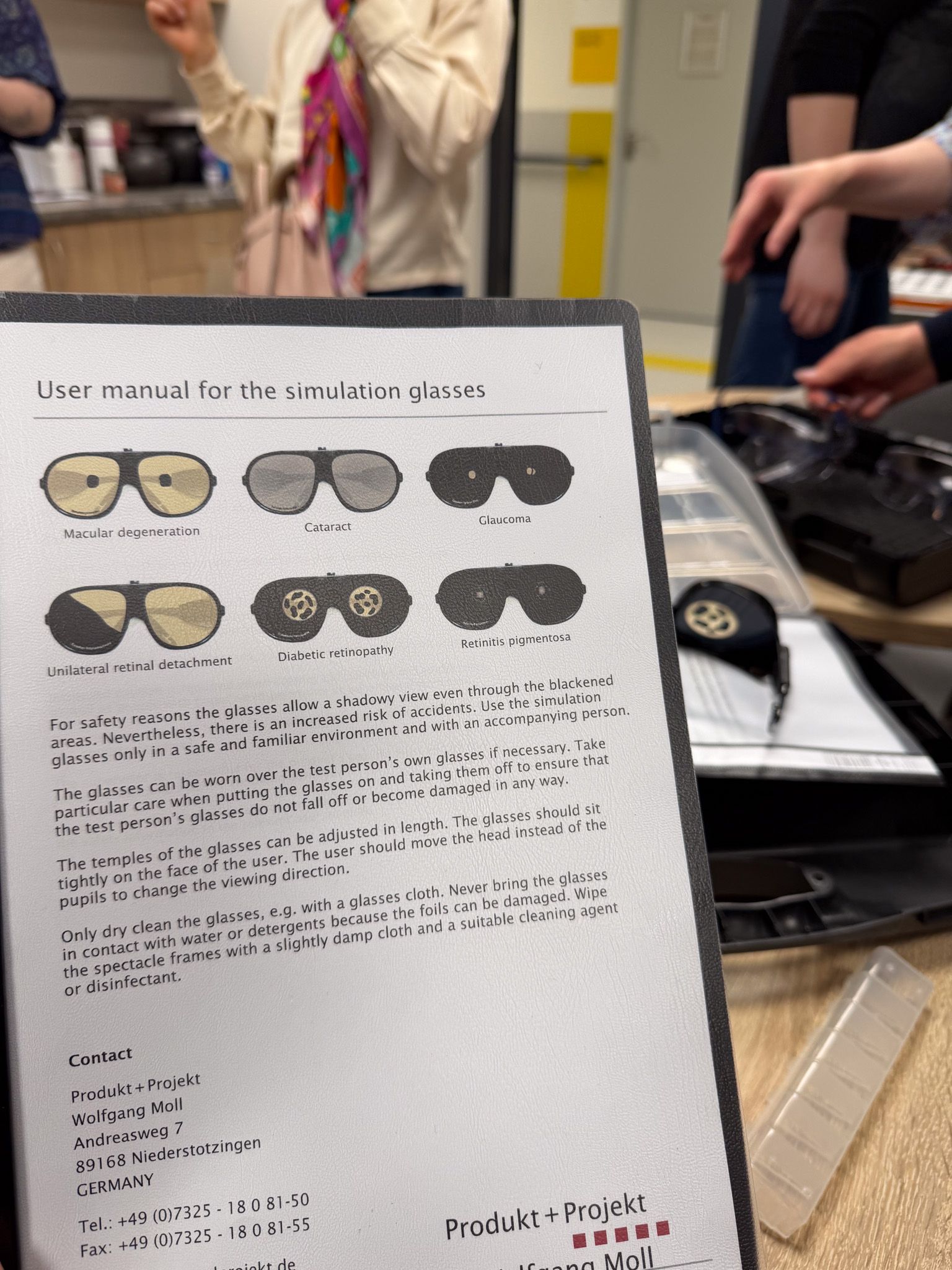
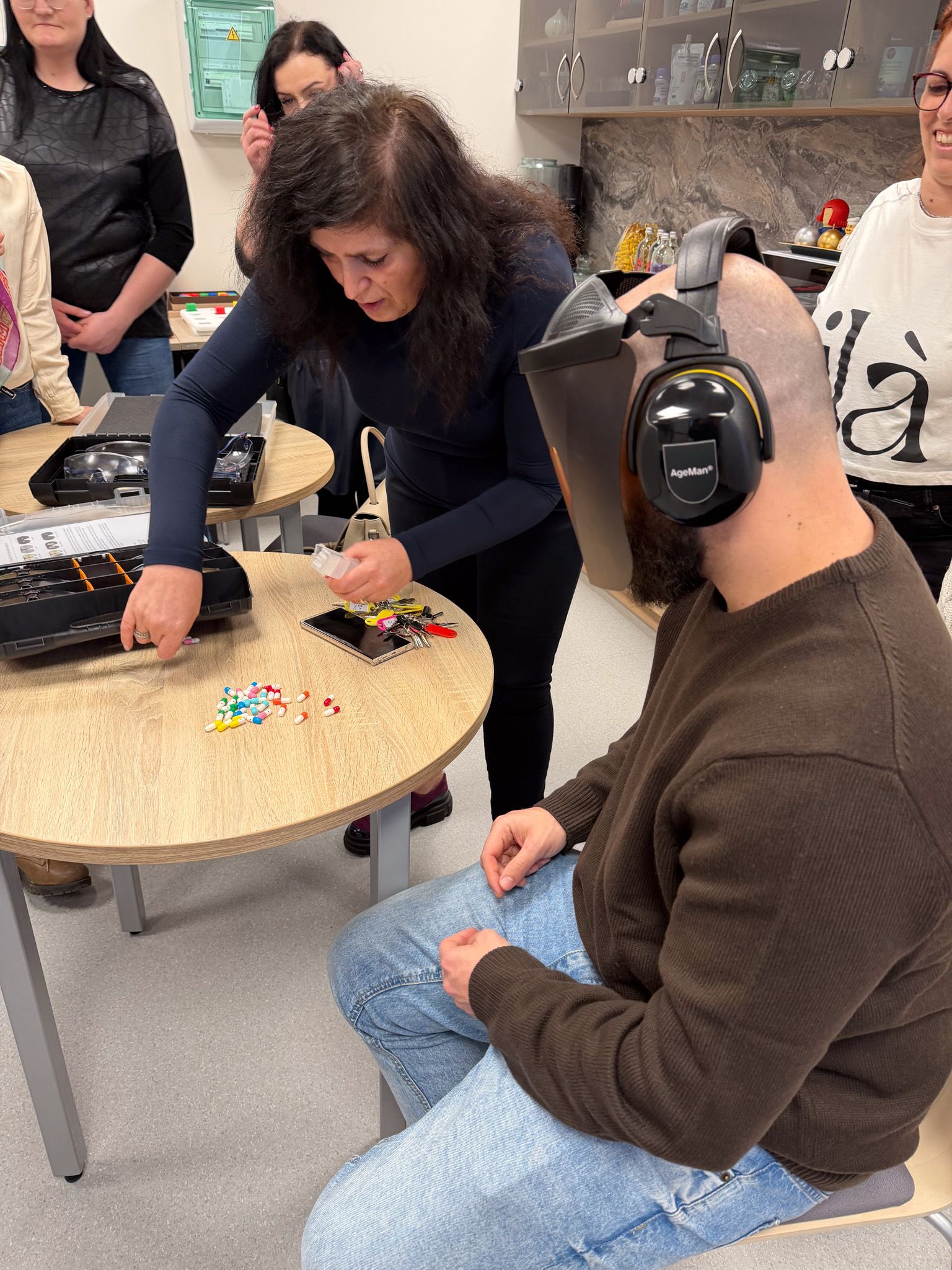
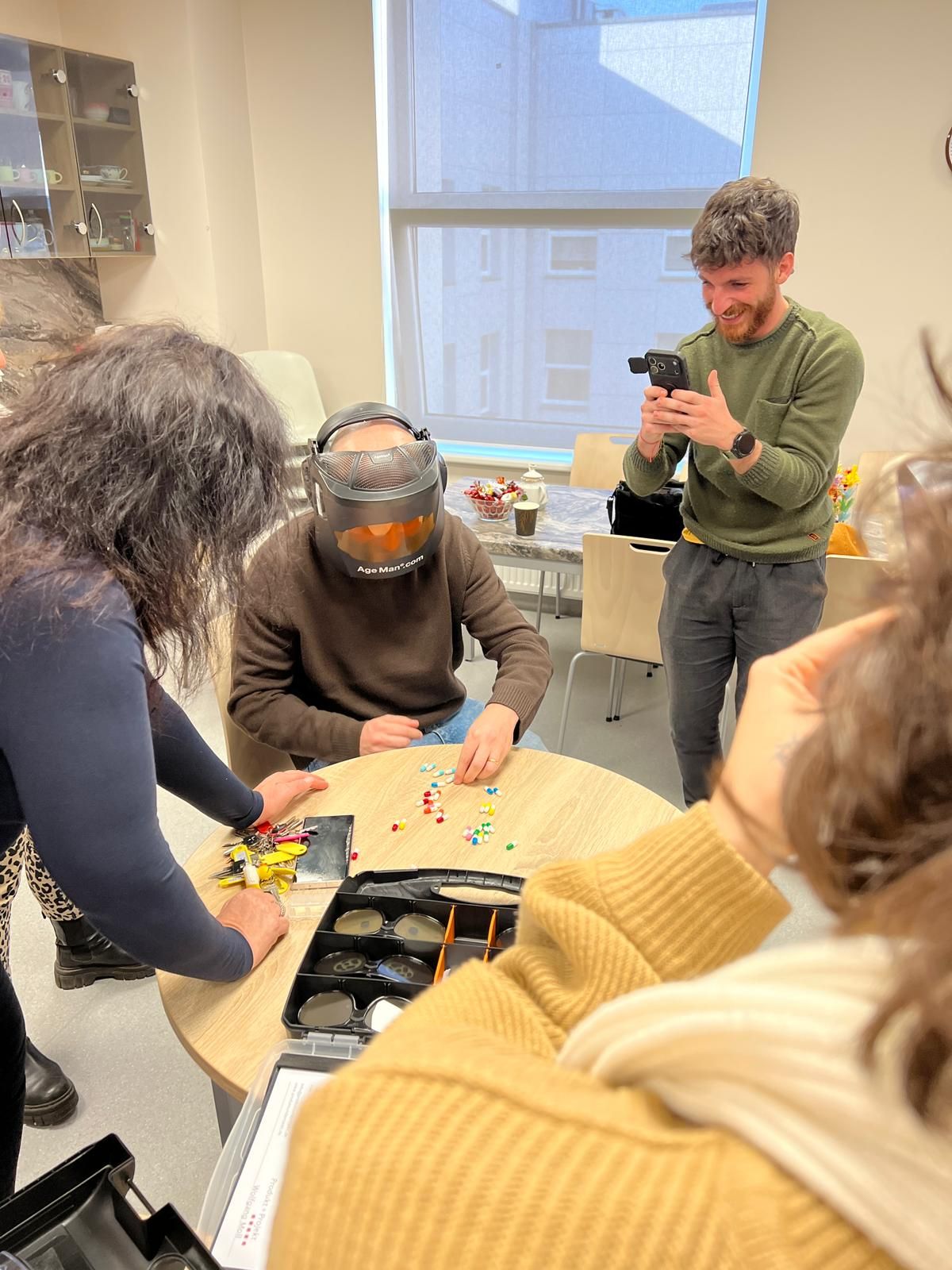
The day included three presentations, one for each country involved in the partnership — Italy, Lithuania and Latvia — as well as a visit to the spaces and laboratories of the Kaunas geriatric clinic. The programme encouraged not only the sharing of good practices, but also a direct experience within an advanced healthcare setting, where research, care and innovation come together in supporting older adults.
.jpg)
The scientific and clinical discussion was opened by Dr Jurgita Knašienė, geriatrician and representative of the host context, with a presentation titled “Healthy and Active Ageing: Mission Possible?”. Her contribution presented active ageing as something that goes beyond the mere absence of disease: physical health, psychological well-being, autonomy, social relationships and a sense of purpose are all key elements for a long and meaningful life. The presentation also highlighted the importance of an integrated approach, where medicine, prevention, nutrition, movement, psychological support, social life and technology work together.
Special attention was also given to the role of technology in contemporary geriatrics. Monitoring tools, diagnostic support systems, telemedicine, fall-prevention solutions, multisensory environments, virtual reality and digital training programmes can all contribute to older people’s well-being, provided they are designed with accessibility, safety and real usability in mind. The visit to the geriatric clinic allowed participants to see how these principles can be translated into concrete practices and environments.
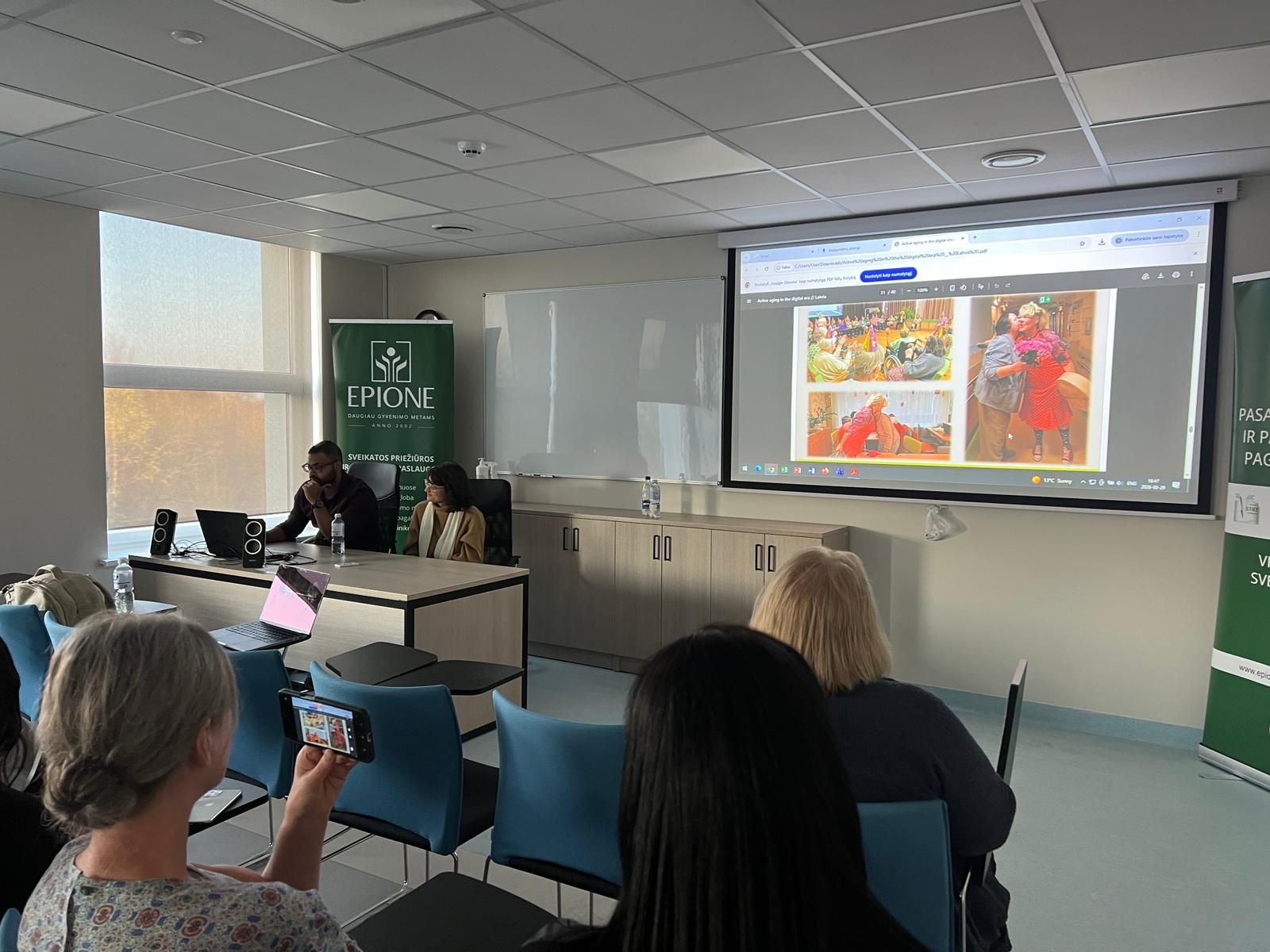
The Latvian perspective, presented by MIHI Latvia, explored the current state of active ageing in Latvia and several good practices related to accessibility, dignity and social connection for older adults. The presentation focused on universal design, adapted environments, technical aids, smart monitoring systems, simplified communication, cognitive activities and the promotion of meaningful everyday life. Through case studies such as the Riga Social Care Centre “Mežciems”, the Latvian group showed that inclusion does not depend only on the presence of technology, but on the ability to create welcoming, safe and respectful environments for people with different physical, cognitive and relational needs.
For Italy, Enrico Porceddu, coordinator of the project and of the activities carried out at national level, presented the research pathway developed within “Active Ageing in the Digital Era”. His contribution described the transition from research to practice: listening to older adults and professionals, testing digital tools in Living Labs, encouraging international exchange and transforming research findings into practical design recommendations for more accessible digital experiences.
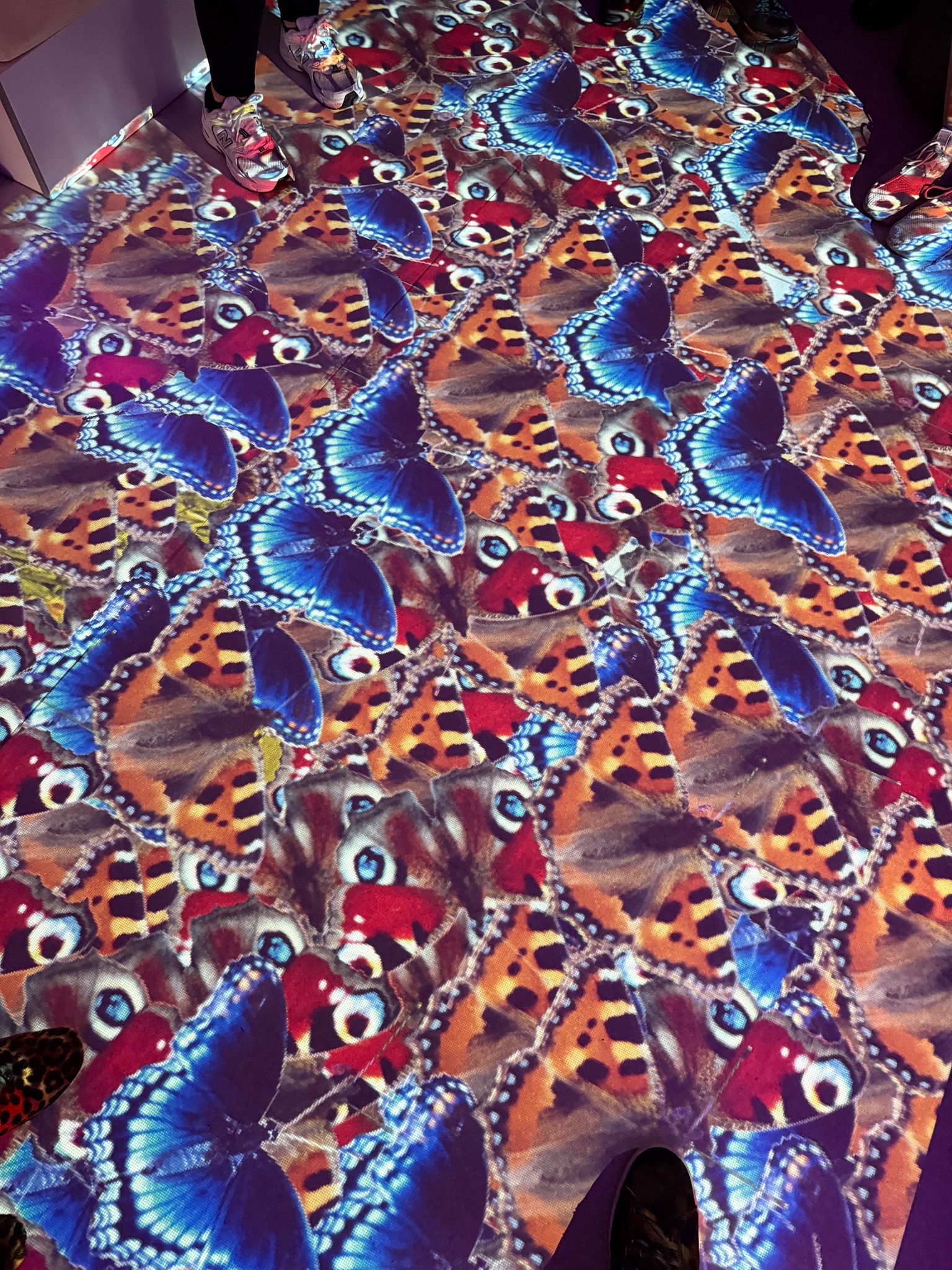
The focus groups and laboratories clearly showed that the issue is not only access to devices, but also confidence, clarity and the social meaning of the digital experience. Many older adults already use tools such as smartphones, messaging apps or online services, but they may feel discouraged by complex interfaces, small buttons, unclear icons, pop-ups, excessive speed or fear of making mistakes. At the same time, playful and cooperative activities showed strong potential: memory games, puzzles, activities based on familiar or nature-based images, shared experiences and simple but rewarding tasks can reduce anxiety, stimulate curiosity and encourage participation.
One of the strongest messages emerging from the forum was that older adults cannot be treated as a single homogeneous group. Age, mobility, vision, cognitive abilities, digital experience, motivation and social context create very different needs. For this reason, designing for active ageing means designing for variability: adaptable interfaces, clear instructions, calm interaction, visible support, cooperative modes and technologies that do not replace human relationships, but strengthen them.
The wide range of professions represented acted as a true catalyst for discussion. The exchange between healthcare workers, care facility managers, digital professionals and researchers made it clear that digital inclusion for people aged 65+ is a multidisciplinary challenge. It is not only about technology, nor only about care: it is about the possibility to continue participating, communicating, learning, playing, choosing and feeling like an active part of society.
The Kaunas forum therefore consolidated the project’s journey and opened the way to its final phase. In mid-May, the closing event will take place in Latvia: the International Hackathon on Active Ageing and Digital Skills, coordinated by MIHI Latvia. The initiative will involve digital and video game professionals, who will be invited to propose innovative solutions dedicated to the 65+ target group, starting from the real needs that emerged during the research, exchange and experimentation activities carried out in the partner countries.
“Active Ageing in the Digital Era” is a project funded by the European Union under the Erasmus+ programme.

Resoruces:
- Presentazione gruppo MIHI Latvia: https://drive.google.com/file/d/1sEKtpmHpQCV3zv35ER90XDdmDU_WPXmD/view?usp=sharing
- Presentazione Dottoressa Jurgita Knašienė per EPIONE: https://drive.google.com/file/d/1u5k_7PsvTr9mLHqbH85j1br9Tbi2zzuQ/view?usp=drive_link
- Presentazione Enrico Porceddu per VLK Studio: https://drive.google.com/file/d/1dSlG3YK0gxS4tMA5f-K9G-WNv6BTeJlP/view?usp=drive_link
Gallery
.jpg)
.jpg)
.jpg)